

If you’re living in your car or spending extended time car camping, you might wake up to a frustrating reality: condensation. Windows dripping with water, damp sleeping bags, and a persistent musty smell. But this isn’t just an inconvenience—it’s a serious health hazard.
The Real Cost of Car Condensation: A Survivor’s Warning
Many nomads learn this the hard way. A completely sealed car traps all the moisture you exhale during the night—up to 400ml of water per person! When this warm, moist air hits the cold windows and metal frame, it condenses. Over time, this moisture seeps into your upholstery, mattress, and hidden crevices, creating the perfect breeding ground for thick, toxic mold.
Living with hidden car mold can severely compromise your immune system. Symptoms often start subtly with unexplained body itching, skin rashes, and frequent mouth ulcers. If you are experiencing these symptoms while car camping, check your vehicle for mold immediately.
The Silica Gel Myth: Why Small Packets Fail
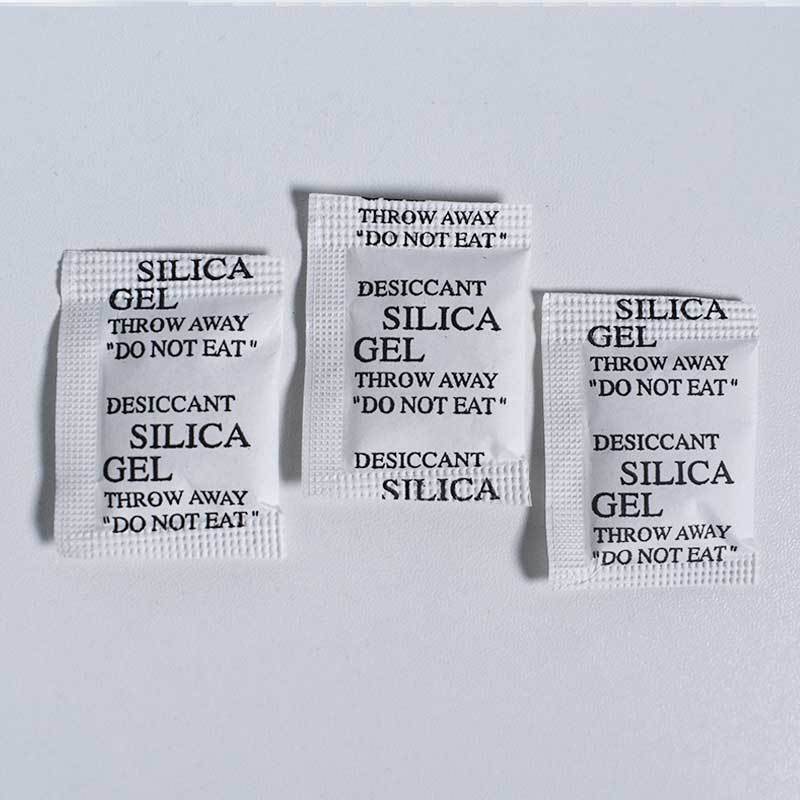
A common mistake beginners make is buying small silica gel packets (like the ones found in shoe boxes) and scattering them around the car. Do not rely on these.
Silica gel has a very limited absorption capacity (usually only about 30% of its own weight). It is designed for tiny, sealed environments like electronics boxes. It is entirely useless against the massive amount of moisture a human produces overnight in a vehicle. You need a robust, systemic approach.
The Ultimate 2-Step Solution for Car Moisture Control
1. Passive Ventilation: The Foundation
You cannot simply absorb all the moisture; you must let it escape. The most effective, energy-free method is passive ventilation.
- Window Deflectors (Rain Guards): This is mandatory gear for car living. Rain guards allow you to crack your windows open about 1-2 inches without letting rain in or making it obvious to people outside.
- Cross-Ventilation: Crack open two windows on opposite sides of the car. This creates a natural airflow that carries moist air out before it can condense.
- Bug Screens: Pair your open windows with custom-fit magnetic bug screens to keep mosquitoes out while maintaining airflow.
2. Active Dehumidification: High-Capacity Absorbers
For the moisture that doesn’t escape through the windows, you need heavy-duty absorption.
- Calcium Chloride Moisture Absorbers: Ditch the tiny silica packets. Buy large-capacity calcium chloride dehumidifier boxes or hanging bags. These chemicals actively pull moisture from the air and collect it as liquid water in a visible reservoir. Place one near your sleeping area and one in the trunk.
Conclusion
Car camping should be about freedom, not fighting off mold-induced health issues. By combining proper window ventilation (using rain guards) with high-capacity calcium chloride absorbers, you can keep your car dry, fresh, and safe. Don’t wait until you find mold—start managing your car’s moisture tonight.